Measure nose to tail base
Measure from the tip of the nose to the base of the tail while your pet is standing or lying naturally. This gives the core bed length your pet needs before extra comfort space is added.
A pet bed is not just a soft accessory. It is a daily recovery space, a comfort zone, a temperature buffer, a familiar scent anchor, and often the quietest part of a pet’s routine. The right size helps a dog or cat stretch, curl, lean, nest, and settle without feeling cramped or unsupported. This guide gives you a refined, practical way to choose a PetLuxe bed size with confidence.
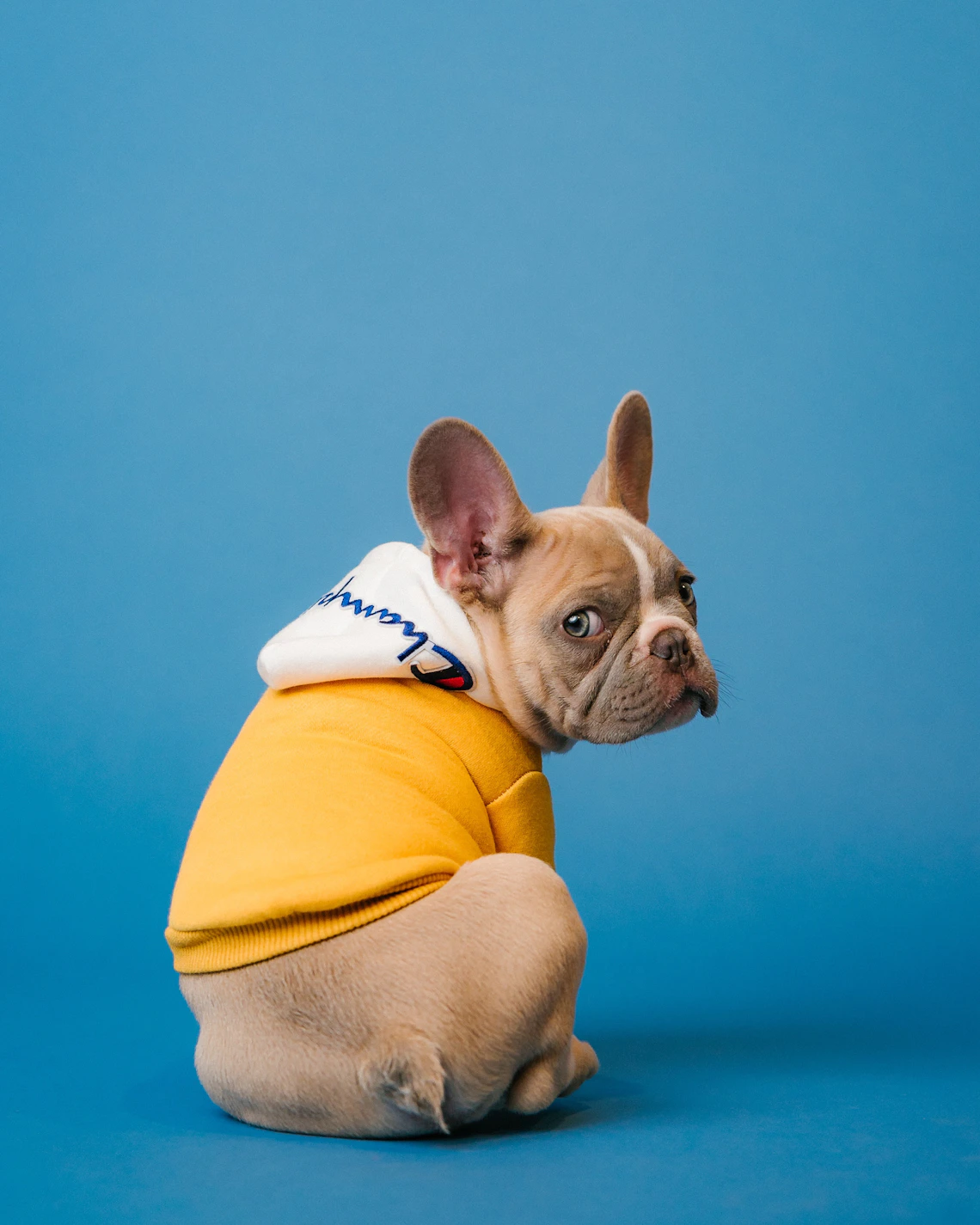
Many customers choose a bed based only on weight, but weight is not enough. A long, lean pet and a compact, heavier pet may need very different sleeping surfaces. The most accurate fit comes from measuring length, shoulder height, preferred sleeping posture, and the amount of extra room your pet enjoys.
The ideal PetLuxe bed creates a defined resting area without forcing your pet into one position. It should allow curled sleep, side sleep, a relaxed head position, and easy entry. For senior pets or pets with sensitive joints, extra surface area can make repositioning easier and reduce the feeling of being boxed in.
Use this guide as a practical sizing foundation. Then adjust based on your pet’s habits, age, coat thickness, room temperature, and whether they prefer an enclosed, bolstered, flat, or lounge-style sleep surface.
Measure from the tip of the nose to the base of the tail while your pet is standing or lying naturally. This gives the core bed length your pet needs before extra comfort space is added.
Add 6 to 12 inches for dogs and 4 to 8 inches for cats, depending on whether they curl tightly or stretch out. More allowance is better for side sleepers and pets who change positions often.
For bolstered beds, measure shoulder height and make sure the interior sleeping surface is not too narrow. A high outer edge should support, not crowd, the body.
Before choosing the final size, measure the intended floor area. Leave space around the bed so your pet can step in easily and the room still feels clean, open, and intentional.
Use the chart below as a polished starting point. For the best result, compare both your pet’s weight and measured body length. When your pet falls between sizes, choose the larger size for a more relaxed, premium resting experience.
| Size | Suggested Bed Dimensions | Typical Pet Weight | Best For | Fit Notes |
|---|---|---|---|---|
| SmallCompact Comfort | Approx. 24 × 18 in to 26 × 20 in | Up to 20 lb | Cats, small terriers, toy breeds, puppies, compact curl sleepers | Best for pets who sleep curled, prefer a cozy nest, or use a bed inside a smaller room corner. |
| MediumEveryday Favorite | Approx. 30 × 22 in to 34 × 24 in | 20 to 40 lb | French bulldogs, beagles, spaniels, small mixed breeds, larger cats | A versatile choice for pets that alternate between curled and relaxed side sleeping. |
| LargeRoom To Stretch | Approx. 36 × 27 in to 40 × 30 in | 40 to 70 lb | Border collies, bulldogs, retrievers, standard poodles, athletic medium dogs | Recommended for pets that stretch out, lean against bolsters, or prefer a more open sleep surface. |
| Extra LargeFull Body Support | Approx. 44 × 32 in to 48 × 36 in | 70 to 100 lb | Labradors, golden retrievers, shepherds, boxers, large mixed breeds | Ideal when your pet needs full-length support and enough width to reposition comfortably. |
| JumboMaximum Lounge | Approx. 50 × 38 in and larger | 100 lb and up | Great Danes, mastiffs, giant breeds, multi-pet lounging | Choose this size for giant breeds, pets who sprawl dramatically, or households where two pets share one bed. |
Pets reveal their best bed size through how they naturally rest. A curled sleeper may enjoy a contained shape. A sprawler needs extra surface area. A leaner often benefits from bolsters. A senior pet may need a lower entry and a wider platform for easier movement.
A curled pet enjoys security, but the bed should still allow a relaxed turn. Choose a size that frames the body without pressing the spine, hips, or shoulders into the edge.
Side sleepers need the most usable surface area. Select a bed long enough for the legs to extend and wide enough for the torso to settle without hanging over the edge.
Pets who sleep belly-up need extra width and a stable center. A larger flat or low-bolster bed can help them feel supported while changing positions.
If your pet rests their head on pillows, furniture, or your leg, a bolstered bed can provide a satisfying edge for neck and head support.
Older pets often benefit from a wider bed with a lower entry point. Extra room helps them turn slowly, reposition carefully, and settle with less effort.
If two pets nap together, measure the space they occupy side by side and choose a larger lounge format rather than forcing them into one compact bed.
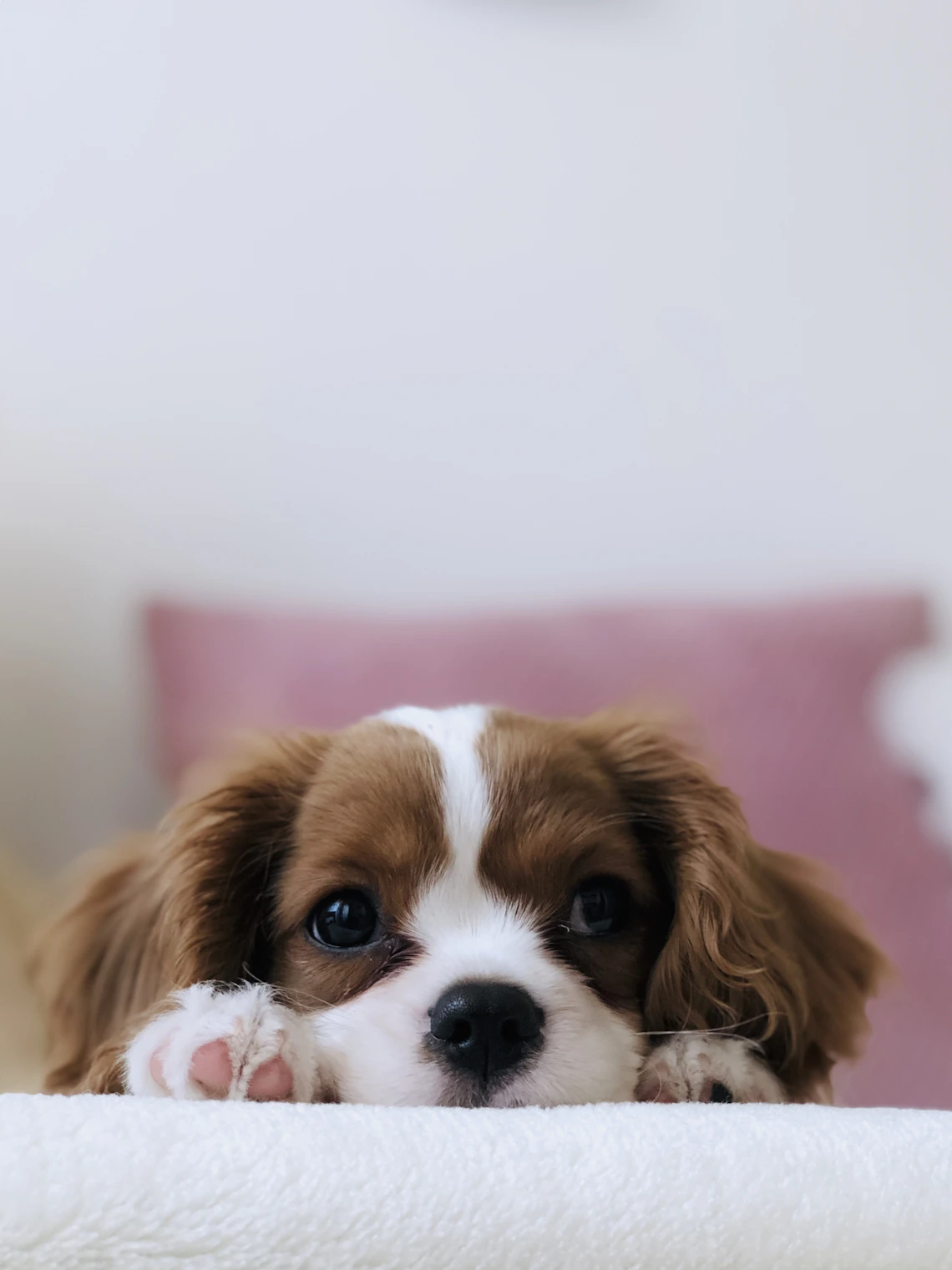
Two beds with the same outer dimensions can feel very different. A thick bolster reduces usable interior space. A flat mattress gives more full-surface room. A cave-style bed feels cozy but may not suit a pet that stretches. A sofa-style bed can be perfect for pets who want structure and a place to rest their head.
When reviewing dimensions, always look for the usable interior sleeping area, not only the outer measurement. For bolstered beds, the cushion inside the frame is what truly determines whether your pet can sleep naturally.
PetLuxe is built around modern pet living, so sizing also includes placement. The best bed is easy for your pet to access and visually calm in the room. Consider traffic flow, sunlight, temperature, floor material, and whether your pet prefers quiet corners or social spaces.
A sofa-style or low-profile bolster bed works well in shared spaces. Choose a size that gives your pet comfort without blocking walking paths.
If your pet sleeps near you overnight, choose a bed with enough room for long rest cycles and a shape that supports familiar sleep habits.
For quick rest after walks, choose a durable bed that does not crowd the door area. A medium or large flat profile often works best.
For crate-compatible comfort, confirm interior crate dimensions first. The bed should lie flat without curling up at the corners.
Use this checklist to make the final choice feel clear. The goal is not only to match a size label, but to create a reliable resting place your pet will return to naturally every day.
The head, torso, hips, and paws should fit without hanging off the main sleeping area.
A bed should not force one position. Turning, nesting, and repositioning should feel natural.
For bolstered beds, check the inside cushion area rather than relying only on outside dimensions.
Measure your intended placement so the bed feels intentional and does not interrupt the flow of the space.
For puppies, growing pets, or senior pets, consider sizing up to support changing needs over time.
These answers stay closed by default for a clean reading experience. Open the questions that match your pet’s body type, sleep style, and room setup.
Yes. When your pet is between two sizes, the larger option usually provides a more relaxed fit. This is especially important for side sleepers, senior pets, long-bodied breeds, and pets who change positions often.
Both matter, but body length is usually more useful for choosing the actual sleeping surface. Weight can help estimate general size, while nose-to-tail measurement helps determine whether your pet can rest fully on the bed.
For most dogs, add 6 to 12 inches beyond the nose-to-tail-base measurement. Smaller curled sleepers may need less, while sprawlers and large breeds often benefit from more generous space.
For cats, add about 4 to 8 inches depending on sleep style. Cats that curl tightly may prefer a compact nest, while cats that stretch or share space with another pet may need a larger surface.
Yes. Bolsters reduce the usable sleeping area. Always check the inner cushion dimensions when choosing a bolstered or sofa-style pet bed, especially for pets that stretch or lean heavily.
Senior pets often benefit from a larger, lower-entry bed with enough space to turn around carefully. A flat or low-bolster style can make entry and repositioning easier for pets with stiffness or reduced mobility.
Yes, if the bed is sized for both pets together. Measure the space they occupy when resting side by side and choose a large, extra large, or jumbo format depending on their combined size and sleep habits.
For support with sizing, products, or orders, please use our contact page. Our team can help you choose a bed style that better matches your pet’s needs.
The right pet bed size supports more than sleep. It supports calm routines, easier recovery, cleaner room styling, and a stronger sense of belonging for the pet who uses it every day. Choose with measurement, observe sleep posture, and select the size that gives your pet room to rest fully.